Power becomes local
Rooftops, campuses, factories, microgrids, and community systems generate more energy closer to where it is used.
The future of energy is not simply more renewable power. It is a connected system that can create, store, move, and intelligently manage energy everywhere.
The next era is defined as much by coordination as invention. Millions of devices, buildings, vehicles, and power sources can operate as one network.
Rooftops, campuses, factories, microgrids, and community systems generate more energy closer to where it is used.
Batteries, thermal systems, and new storage technologies help turn intermittent power into dependable supply.
AI and automation coordinate supply, demand, price, weather, charging, and equipment across the network.
Cars, buildings, factories, and appliances can shift energy use to match cleaner, cheaper power.
Electric vehicles can charge when renewable power is abundant. Buildings can pre-cool before peak demand. Batteries can respond in milliseconds. The grid can behave more like a digital network than a one-way utility system.
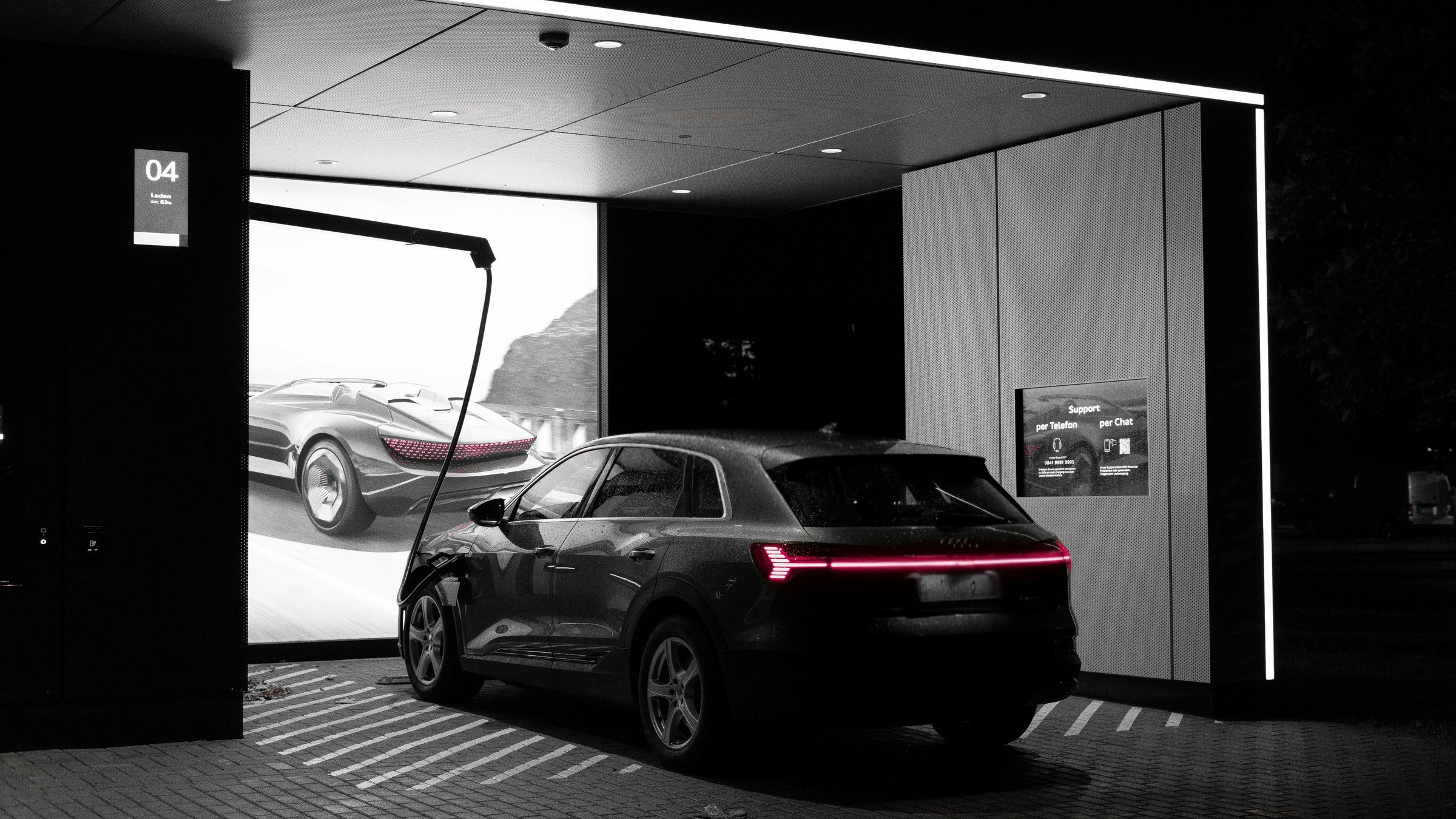
The exact mix will vary by region, but the broad direction is increasingly clear: more electrification, more intelligence, and more flexibility.
EVs, batteries, heat pumps, solar, and wind become mainstream infrastructure in more markets.
Virtual power plants, AI forecasting, and dynamic demand become core grid tools.
Hydrogen, electrified heat, cleaner fuels, and carbon management reshape heavy industry.
Generation, storage, mobility, buildings, and software operate as an integrated system.
Technology alone will not determine the outcome. Cost, policy, resilience, infrastructure, public acceptance, and access matter just as much.
Transmission, permitting, manufacturing, and workforce constraints may matter as much as technology performance.
Long-duration storage is one of the biggest variables in reaching reliable 24/7 clean energy.
Digital coordination and faster interconnection will be critical as millions of distributed resources come online.
The strongest systems will pair innovation with affordability, access, reliability, and durable economic value.
See the technologies already moving from concept to deployment, from next-generation solar to AI-powered grids.